
The Allure of Chance and Risk
Casino games are meticulously designed to tap into the human fascination with chance and risk. This intrinsic attraction can be traced back to our evolutionary history, where risk-taking often played a crucial role in survival. The thrill of uncertainty—where the outcome is unknown—creates an exhilarating experience that many find irresistible, especially when they consider options like payid pokies australia that enhance their gaming adventures. This rush of adrenaline encourages players to engage repeatedly with the games, as they chase the euphoric highs associated with potential wins.
Additionally, the unpredictable nature of games like slot machines or roulette contributes to a psychological phenomenon known as variable reinforcement. Unlike conventional reward systems that offer consistent benefits, variable reinforcement introduces rewards at irregular intervals. This unpredictability heightens excitement and prolongs engagement, as players remain captivated by the prospect of a surprise win. The heightened emotional state induced by this variability transforms gambling into an enthralling experience, drawing individuals back time and again.
The potential for victory further amplifies this allure. Even modest wins can trigger the release of dopamine, a neurotransmitter central to the brain’s reward system. This biochemical response not only reinforces the desire to continue playing, but it also embeds the memory of pleasure associated with winning in the player’s mind. Consequently, the cycle of risk and reward becomes self-sustaining, leading players to chase bigger wins and return to the gaming tables in hopes of recapturing that initial thrill.
The Role of Environment in Gaming Experience
The physical environment of a casino significantly shapes the gaming experience and influences player behavior. Casinos are often designed with a variety of sensory stimuli that enhance excitement and engagement. Bright lights, vibrant color schemes, and strategically engineered sounds create an immersive atmosphere that captivates players, making them more likely to stay longer and spend more. This intentional design philosophy directly impacts how players interact with the games and their overall enjoyment.
Moreover, the layout of a casino is typically optimized to facilitate player flow, with games positioned closely together to encourage hopping from one machine to another. This strategy can lead to increased spending, as players become absorbed in the gaming experience and lose track of time and money. The casino environment often creates a unique sense of disorientation, further enticing players to extend their gaming sessions and increasing the likelihood of financial loss.
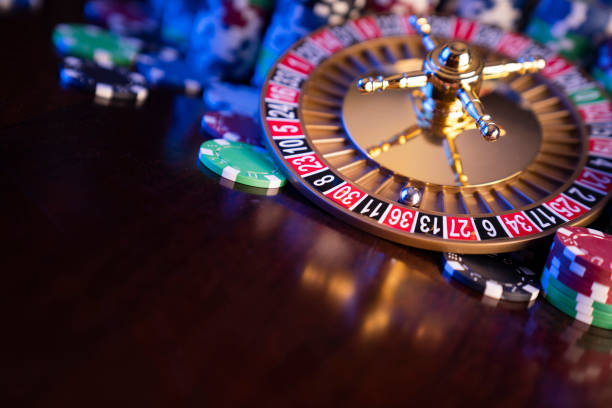
The ambiance of a casino can also significantly influence a player’s mood and decision-making processes. Social interactions with dealers and fellow players can enhance the thrill of the game, fostering a sense of community that amplifies excitement. This shared experience can lead players to gamble more than they would in isolation, as the social aspect can create a feedback loop of enthusiasm and increased betting behavior. These factors combined make the casino setting a distinctive psychological environment that shapes player experiences and outcomes.
The Illusion of Control and Skill
The illusion of control is a captivating aspect of casino games that often misleads players. Many individuals believe that their choices, strategies, or behaviors can influence game outcomes, particularly in skill-based games like poker or blackjack. This sense of control can lead players to adopt betting behaviors based on their perceived mastery, often resulting in significant financial losses when luck does not favor them.
This psychological phenomenon is closely related to the concept of overconfidence. Players may overestimate their ability to predict outcomes or manipulate luck in their favor, which can lead to risky betting behaviors that exceed their financial limits. For example, a player who has enjoyed a few consecutive wins might develop a false sense of invincibility and start placing larger bets, only to realize that the unpredictable nature of the game can lead to devastating losses.
Furthermore, this belief in personal skill can obscure the reality of the inherent odds present in casino games. Many games are designed with a house edge, and understanding these odds is vital for making informed decisions. When players fail to recognize this dynamic, they may cultivate a misguided sense of security, ultimately impacting their behavior and financial outcomes. This misunderstanding perpetuates a cycle of gambling addiction for some, as they chase elusive victories while disregarding the statistical realities of the games they play.
The Impact of Gambling Addiction
The psychological dimensions of casino games can lead to gambling addiction, a serious condition that adversely affects individuals and their loved ones. The thrill associated with gambling can swiftly evolve into compulsive behaviors as players chase losses or become desensitized to their wins. Various factors contribute to addiction, including the brain’s dopamine system, social influences, and personal circumstances, resulting in a complex interplay that can devastate lives.

Individuals grappling with gambling addiction may find it increasingly difficult to control their impulses, leading to destructive choices that manifest as financial difficulties, strained relationships, and mental health issues such as anxiety and depression. Despite these alarming consequences, the allure of the casino often remains potent due to cognitive dissonance; individuals want to believe that they can win and regain control over their circumstances, which clouds their judgment and perpetuates the cycle of addiction.
Awareness of gambling addiction has increased in recent years, prompting organizations and digital platforms to develop resources and support systems for those affected. Understanding the psychological elements driving gambling behaviors can aid in prevention and recovery efforts, emphasizing the need for education on responsible gambling practices. By recognizing the triggers that fuel addiction, individuals can work towards developing healthier relationships with gambling and seek help when necessary, fostering a more balanced approach to gaming.
Understanding Casino Websites and Their Psychological Strategies
As the digital landscape continues to evolve, online casinos have emerged, employing psychological strategies akin to those found in traditional establishments. These websites leverage immersive designs, captivating graphics, and interactive features to create an engaging gaming environment that captures players’ attention. Much like physical casinos, online platforms aim to evoke emotions that facilitate prolonged gameplay, ensuring players remain engaged from the moment they log in.
Many online casinos deploy bonuses and promotions strategically crafted to evoke a sense of urgency and excitement. These incentives often exploit the psychology of FOMO (Fear of Missing Out), compelling players to act quickly to take advantage of enticing deals. The visually striking advertisements and attractive offers can lure individuals into playing more frequently, thereby increasing both the time spent on the site and their overall financial involvement.
Moreover, the anonymity provided by online gambling can lead to riskier behavior, as players may feel less accountable for their spending. The comfort of gambling from home can diminish perceived risks, allowing individuals to wager larger sums without the immediate social consequences associated with a physical casino setting. Understanding the psychological underpinnings of these online environments is crucial for fostering healthier gaming habits, promoting responsible gambling practices, and mitigating the risk of addiction in an increasingly digital world.